The word “detox” is everywhere.
You see it on juice bottles, supplement labels, social media videos, and diet plans that promise a complete body reset in just a few days. Some programs tell you to survive on juice. Others ask you to skip meals, drink strange mixtures, or purchase an expensive collection of powders and teas.
It sounds convincing, especially after a weekend of heavy meals or a period when your eating habits have felt completely off track.
But your body is not a dirty kitchen that needs to be scrubbed clean.
Your liver, kidneys, digestive system, lungs, and other organs already work every day to process nutrients and remove waste. Your kidneys, for example, filter the blood and remove wastes and extra fluid from the body. A healthy diet can support these normal processes, but it does not replace them or magically pull mysterious toxins from your body.
That is the approach we will take in this guide.
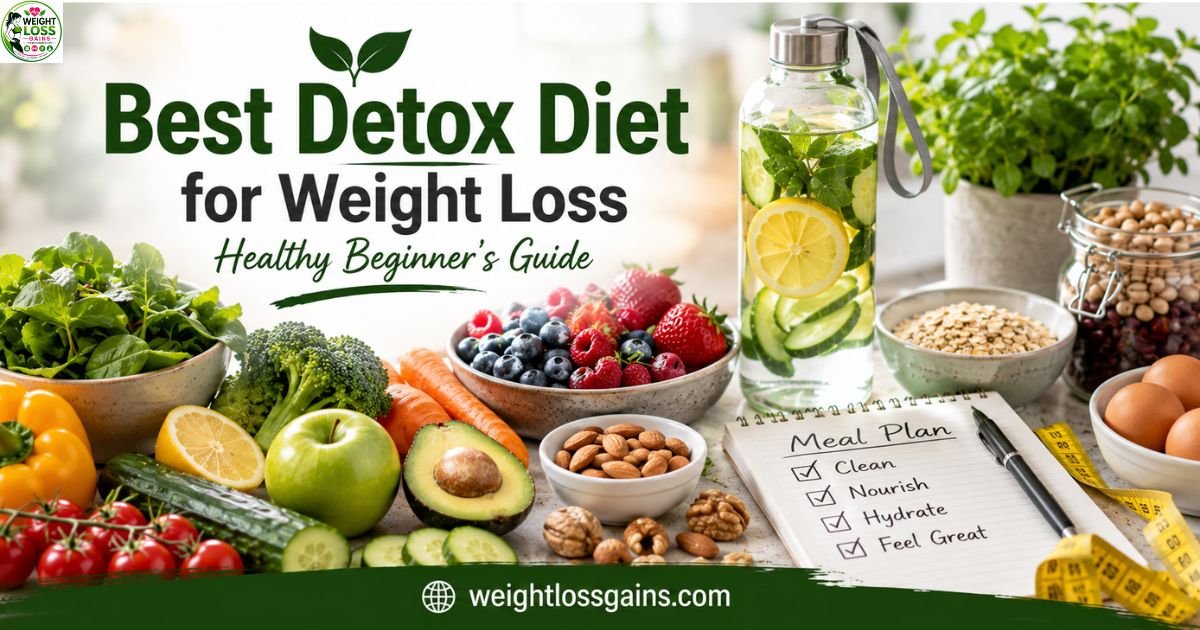
The Best Detox Diet for Weight Loss is not a starvation plan, a juice cleanse, or a shortcut. It is a temporary return to simple, satisfying foods that can help you reduce highly processed choices, improve hydration, eat more fiber, and rebuild a healthier daily routine.
There is nothing magical about it, and that is actually good news. You do not need a shelf full of supplements to begin. You need regular meals, nourishing ingredients, enough water, and habits you can continue after the so-called detox period ends.
Table of Contents
1. What Does a Detox Diet Really Mean?
A detox diet can mean very different things depending on who is using the term.
For one person, it may mean drinking only fruit and vegetable juice for three days. For someone else, it might involve fasting, herbal teas, laxatives, supplements, or eliminating several food groups at once.
Those extreme approaches are not what this article recommends.
There is no compelling evidence that commercial detox diets remove toxins or create reliable, lasting weight loss. Some cleanse programs can also be extremely low in calories or nutrients, while certain products may contain ingredients that cause unwanted side effects.
A more responsible definition of the Best Detox Diet for Weight Loss is a short period of getting back to healthy basics.
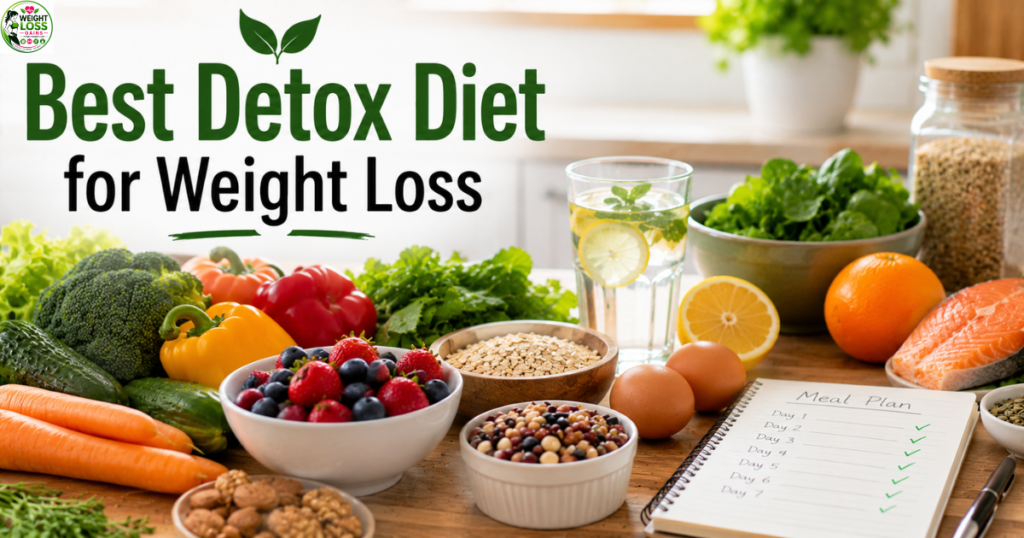
That means eating mostly minimally processed foods, such as:
- Fresh or frozen vegetables
- Whole fruits
- Beans and lentils
- Whole grains
- Eggs
- Fish, chicken, tofu, or other protein sources
- Plain yogurt or other suitable dairy products
- Nuts and seeds
- Water and unsweetened beverages
It also means temporarily cutting back on foods that have been taking over your routine, such as sugary drinks, frequent fast food, oversized desserts, heavily processed snacks, and excessive alcohol.
Think of it as cleaning up your habits rather than cleaning toxins out of your body.
You are not trying to punish yourself for eating pizza or dessert. You are simply giving nutritious foods more room on your plate.
This distinction matters because guilt-based diets rarely last. When people treat food as punishment, they often become overly restrictive, feel deprived, and eventually return to the same habits they were trying to escape.
A practical reset should leave you feeling nourished, not exhausted.
Benefits: A realistic detox approach can help simplify your meals, reduce your dependence on highly processed foods, increase your nutrient intake, and create a clear starting point for healthier weight-management habits.
2. Does Your Body Need Help Removing Toxins?
This is where detox marketing often becomes confusing.
Advertisements may suggest that everyday foods cause toxins to build up inside your body until you purchase the right tea, powder, or cleanse. In most healthy people, the body already has systems that continuously process and remove waste.
Your kidneys remove wastes, extra water, and acid produced by the body’s cells. They also help maintain the proper balance of water, salts, and minerals in the blood. Your digestive system breaks food into nutrients the body can use and moves the remaining waste through the intestinal tract.
That does not mean nutrition is unimportant.
Your body still needs adequate energy, protein, vitamins, minerals, fiber, and fluids to function normally. However, supporting your body is different from claiming that one drink can “flush” or “melt away” everything harmful.
The Best Detox Diet for Weight Loss supports normal health by improving the overall quality of what you eat. It does not attempt to replace the liver, kidneys, or medical treatment.
For example, drinking water supports hydration, but adding lemon does not turn it into a miracle fat-burning beverage. Vegetables provide fiber and nutrients, but one green smoothie cannot cancel out weeks of poor sleep and unbalanced eating.
Healthy choices work together.
A nutritious breakfast may help you manage morning hunger. A fiber-rich lunch can keep you satisfied through the afternoon. Drinking water instead of soda may reduce added sugar intake. Preparing dinner at home can give you more control over portions and ingredients.
None of these actions sound dramatic, yet together they can make a noticeable difference.
Be especially cautious with products marketed as detox supplements, fat-burning herbs, colon cleanses, or liver cleansers. “Natural” does not automatically mean safe, and some supplement ingredients may interact with medications or affect the liver and kidneys.
Anyone who is pregnant, breastfeeding, living with diabetes, taking prescription medication, managing kidney or liver disease, or recovering from an eating disorder should speak with a qualified healthcare professional before making major dietary changes.
Benefits: Understanding how the body naturally handles waste can help you avoid misleading products, protect your health, and focus on habits that genuinely support nutrition and sustainable weight management.

3. How Can a Healthy Detox Approach Support Weight Loss?
A detox diet does not cause fat to disappear overnight.
If the scale drops quickly during a very restrictive cleanse, much of that early change may come from water, reduced food intake, and less material moving through the digestive system. Once normal eating resumes, some of that weight may return.
That is why dramatic short-term changes should not be confused with lasting fat loss.
The Best Detox Diet for Weight Loss works in a more practical way. It helps you replace calorie-dense, heavily processed choices with foods that are usually more filling and nutritious.
Imagine a typical afternoon snack.
A large sugary coffee and a pastry can add plenty of calories without keeping you satisfied for very long. A snack made with Greek yogurt, berries, and a small handful of nuts provides protein, fiber, and fat that may keep hunger under control until dinner.
The goal is not to make every meal as low-calorie as possible. The goal is to choose meals that satisfy you while supporting an appropriate overall intake.
A healthy eating pattern should include a variety of vegetables, fruits, whole grains, protein foods, and other nutrient-rich choices while limiting excessive added sugars, sodium, and saturated fat.
Another helpful change is reducing liquid calories.
Soda, sweet tea, flavored coffee drinks, energy drinks, and frequent alcoholic beverages can contribute significant calories without the fullness you would get from solid food. Replacing some of them with water, sparkling water, or unsweetened tea is a simple place to begin.
The Best Detox Diet for Weight Loss should also include enough protein.
Protein-rich foods such as eggs, fish, chicken, Greek yogurt, cottage cheese, beans, lentils, and tofu can make meals more satisfying. Pairing protein with vegetables and a sensible portion of whole grains creates a meal that feels complete rather than restrictive.
Fiber matters too.
Whole fruits, vegetables, beans, oats, brown rice, and other whole grains provide fiber that supports digestive regularity and helps create satisfying meals. Increase fiber gradually and drink enough fluid, especially when your usual diet has been low in plant foods.
Most importantly, do not skip meals all day in an attempt to speed up results.
Extreme hunger often makes portion control more difficult later. Many beginners do better with regular meals built around protein, produce, and fiber-rich carbohydrates.
Benefits: A balanced detox-style eating plan may support weight management by improving fullness, reducing added sugar and liquid calories, encouraging home-cooked meals, and helping you build habits that remain useful after the reset is over.
4. The Best Foods to Include in a Healthy Detox Diet
You do not need rare berries, imported powders, or expensive wellness products.
Most of the foods you need are available in an ordinary grocery store.
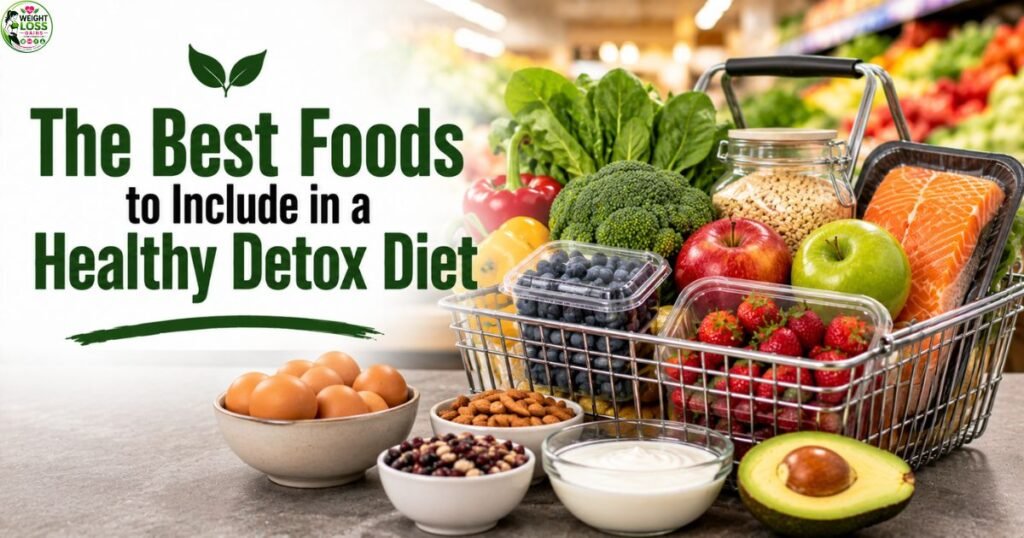
Start with vegetables.
Leafy greens, broccoli, cauliflower, carrots, bell peppers, tomatoes, green beans, cabbage, and zucchini can add volume, fiber, color, and nutrients to your meals. Frozen vegetables are also useful and can be just as practical when fresh produce is too expensive or likely to spoil.
Next, include whole fruit.
Apples, oranges, bananas, berries, grapes, pears, peaches, and melon can satisfy a sweet craving while providing water, fiber, vitamins, and minerals. Whole fruit is generally more satisfying than drinking fruit juice because the fiber remains intact.
Add a protein source to each main meal.
Breakfast could include eggs or plain Greek yogurt. Lunch might feature chicken, tuna, beans, or tofu. Dinner could include fish, turkey, lentils, or another protein you enjoy.
Whole grains and starchy vegetables also have a place in the Best Detox Diet for Weight Loss.
Oats, quinoa, brown rice, whole-grain bread, potatoes, and sweet potatoes provide carbohydrates your body can use for energy. They do not need to be eliminated. Portion awareness and meal balance are more useful than fearing an entire food group.
Healthy fats can make food more enjoyable and satisfying.
Try avocado, olive oil, nuts, seeds, or natural peanut butter in reasonable portions. These foods are nutritious, but they are also energy-dense, so a little can go a long way.
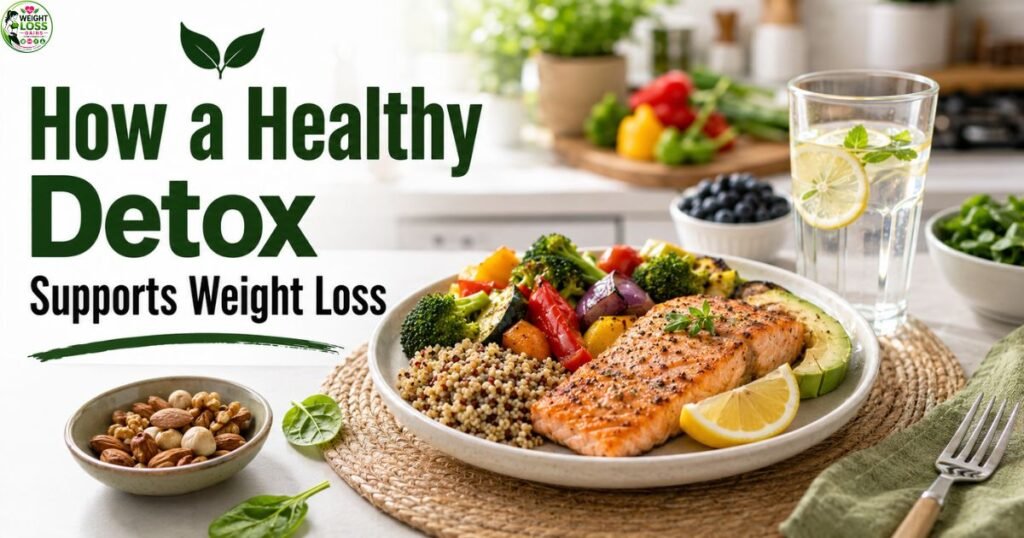
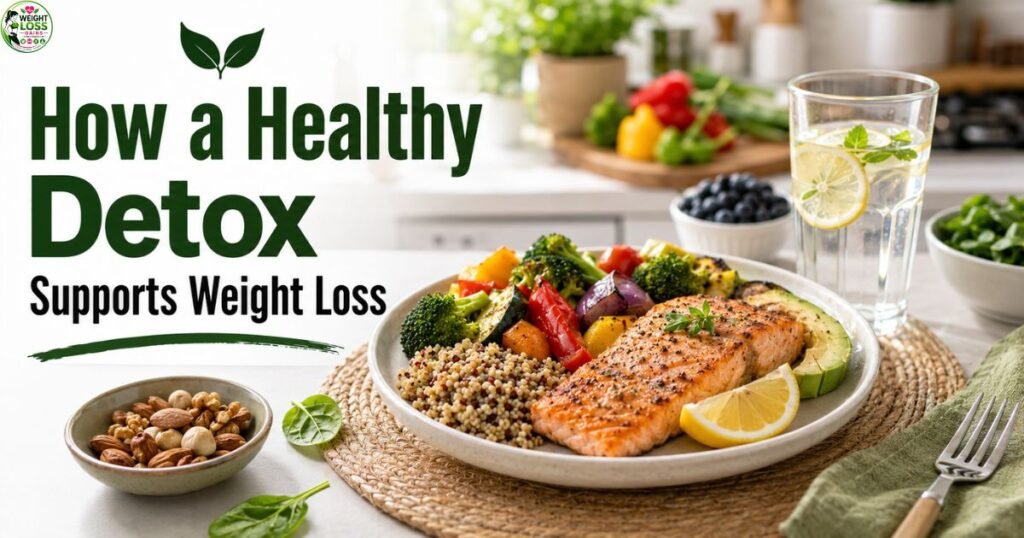
A simple detox-friendly plate might look like this:
Half vegetables, one-quarter protein, and one-quarter whole grains or starchy vegetables, with a small amount of healthy fat.
It is straightforward, filling, and much more realistic than surviving on juice.
Benefits: Eating a wide variety of whole and minimally processed foods provides protein, fiber, healthy fats, vitamins, and minerals while making healthy meals satisfying enough to follow consistently.
5. The Best Drinks to Support a Healthy Detox Diet
When people think about detoxing, they often imagine expensive juices, herbal teas, or colorful drinks that promise incredible results.
In reality, the healthiest drinks are usually the simplest ones.
The Best Detox Diet for Weight Loss isn’t built around miracle beverages. It’s built around staying hydrated and choosing drinks that help your body function at its best.
Water should always be your first choice.
Your body depends on water for digestion, circulation, temperature regulation, and countless other everyday functions. Even mild dehydration can leave you feeling tired, make it harder to concentrate, and sometimes even cause you to mistake thirst for hunger.
A simple habit like carrying a reusable water bottle can make a big difference.
If plain water feels boring, try naturally flavoring it with:
- Lemon slices
- Lime
- Fresh cucumber
- Mint leaves
- Orange slices
- Fresh berries
These ingredients add refreshing flavor without loading your drink with added sugar.
Unsweetened green tea is another great choice.
It contains natural antioxidants and can be part of a balanced eating plan. Black coffee can also fit into a healthy lifestyle when enjoyed in moderation and without excessive sugar or flavored syrups.
Instead of spending money on detox drinks or cleansing products, focus on drinking enough fluids throughout the day.
Healthy habits always outperform quick fixes.
Benefits: Choosing water and other low-sugar beverages helps support hydration, reduces unnecessary calories, and makes the Best Detox Diet for Weight Loss easier to maintain every day.
6. Why Fiber Is Essential for a Healthy Detox
If there’s one nutrient that deserves much more attention, it’s fiber.
Unlike trendy detox products, fiber has been part of healthy eating recommendations for decades because it plays an important role in supporting normal digestion.
That’s one reason the Best Detox Diet for Weight Loss focuses on whole foods instead of supplements.
Fiber helps food move through the digestive system and can help you stay full for longer after meals.
Many high-fiber foods are also packed with vitamins, minerals, and antioxidants, making them some of the healthiest choices you can eat.
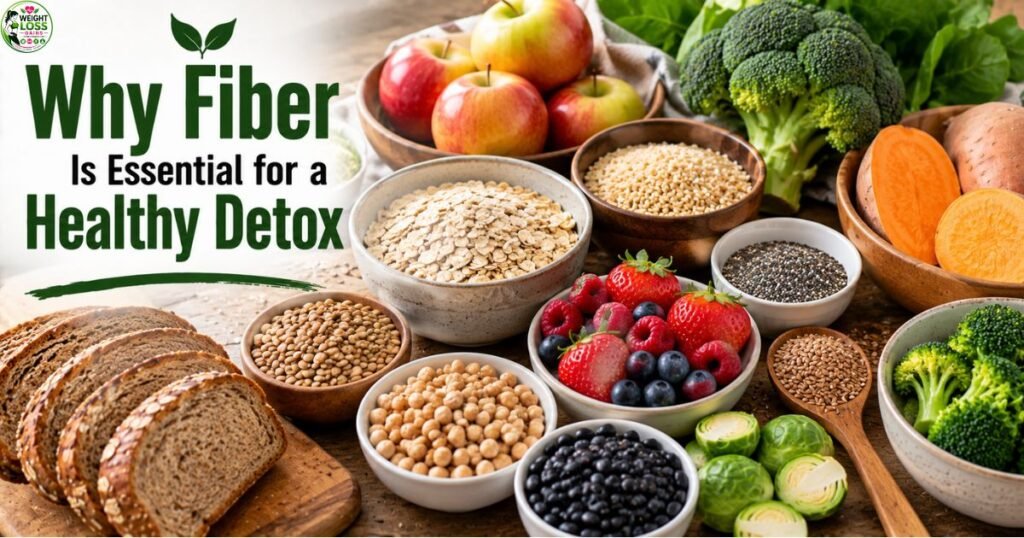
Excellent sources of fiber include:
- Apples
- Pears
- Berries
- Oatmeal
- Brown rice
- Lentils
- Chickpeas
- Black beans
- Broccoli
- Brussels sprouts
- Sweet potatoes
- Chia seeds
- Flaxseeds
If your current diet is low in fiber, increase it gradually.
At the same time, drink plenty of water.
Fiber and hydration work together to support healthy digestion.
Rather than relying on fiber supplements, try building your meals around fruits, vegetables, beans, and whole grains.
These foods provide many other nutrients that supplements simply can’t replace.
That’s exactly why the Best Detox Diet for Weight Loss emphasizes real food over expensive products.
Benefits: Eating more fiber supports digestive health, helps you stay satisfied longer, encourages healthier food choices, and contributes to long-term weight management.
7. Foods to Limit During a Healthy Detox Reset
Healthy eating isn’t about completely banning foods forever.
It’s about creating a better balance.
During a healthy reset, it’s helpful to temporarily reduce foods that are highly processed or packed with added sugar.
The Best Detox Diet for Weight Loss encourages eating more nutritious foods while limiting foods that often provide lots of calories without many nutrients.
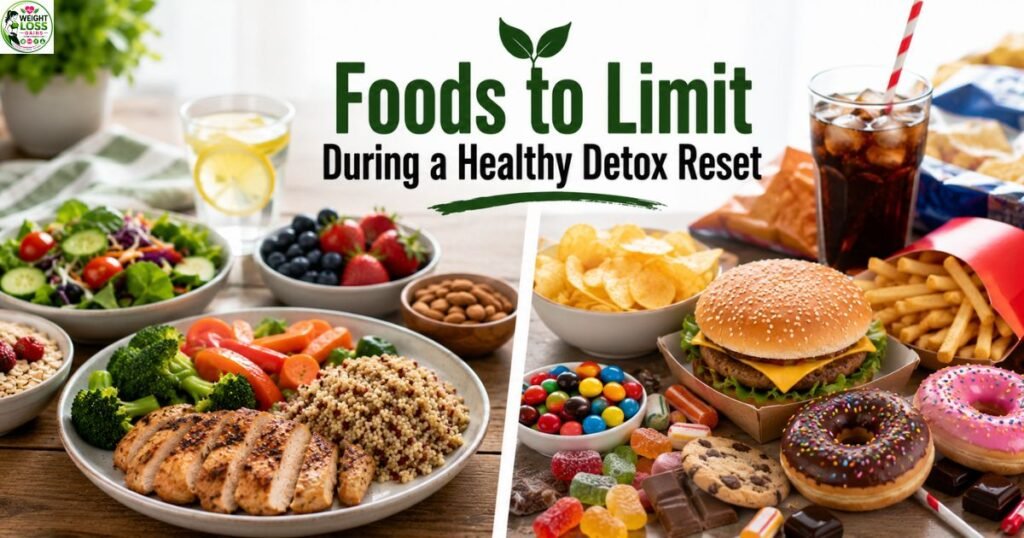
Try reducing:
- Sugary soft drinks
- Sweetened coffee beverages
- Candy
- Cookies and packaged desserts
- Deep-fried fast food
- Chips and heavily processed snacks
- Processed meats
- Excess alcohol
- Foods high in added sugar
- Foods very high in sodium
Notice the word “reduce.”
Not “eliminate.”
Completely avoiding your favorite foods often makes people crave them even more.
Instead, focus on making healthier choices most of the time.
If you enjoy dessert at a family celebration or have pizza on the weekend, that’s perfectly okay.
Long-term success comes from consistency—not perfection.
The healthier your everyday routine becomes, the less those occasional treats will matter.
Benefits: Reducing highly processed foods improves overall diet quality, lowers added sugar intake, and makes it easier to build healthier eating habits that last.
8. A Simple One-Day Detox Meal Plan for Beginners
Many beginners know which foods are healthy.
The challenge is putting everything together into a realistic daily routine.
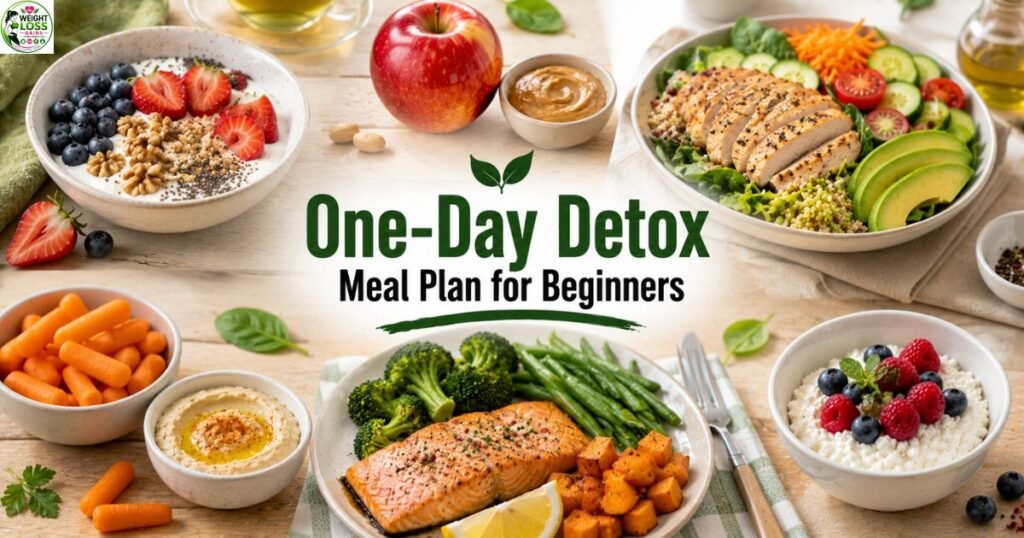
Here’s a simple example of the Best Detox Diet for Weight Loss that focuses on balanced nutrition instead of restriction.
Breakfast
Plain Greek yogurt topped with blueberries, strawberries, walnuts, and chia seeds.
Serve with water or unsweetened green tea.
Morning Snack
One apple with a tablespoon of natural peanut butter.
Lunch
Grilled chicken breast with quinoa and a large salad made with spinach, tomatoes, cucumbers, carrots, avocado, and a light olive oil dressing.
Afternoon Snack
Baby carrots with hummus.
Dinner
Baked salmon served with roasted broccoli, roasted sweet potatoes, and steamed green beans.
Evening Snack (If Needed)
A small bowl of cottage cheese with fresh berries.
This meal plan includes lean protein, healthy fats, fiber-rich carbohydrates, fruits, vegetables, and plenty of nutrients.
There are no detox powders.
No juice-only meals.
No starvation.
Just balanced meals that help you feel satisfied while supporting healthier eating habits.
That’s what makes the Best Detox Diet for Weight Loss realistic enough to continue long after your initial healthy reset.
Benefits: A balanced meal plan provides steady energy, supports healthy digestion, helps control hunger, and creates eating habits that are much easier to maintain over the long term.
9. Common Detox Mistakes That Can Slow Your Progress
Starting a healthier eating routine is exciting, but many people unknowingly make mistakes that leave them feeling frustrated after only a few days.
The biggest mistake is expecting instant results.
After seeing dramatic claims online, it’s easy to believe that a detox should completely transform your body within a week. In reality, healthy weight management takes time. Your body responds much better to consistent habits than to short bursts of extreme dieting.
Another common mistake is eating too little.
Some detox programs encourage people to survive on juices or very small portions. While this may cause quick changes on the scale, much of the initial weight is often water rather than body fat. Extremely restrictive eating can also leave you feeling tired, hungry, and more likely to overeat later.
Skipping protein is another problem.
Meals that don’t contain enough protein often leave you hungry again within a short time. Including foods like eggs, chicken, fish, beans, tofu, or Greek yogurt can help create meals that are much more satisfying.
Many people also forget about sleep.
Poor sleep can affect hunger hormones, energy levels, and food choices. Even the Best Detox Diet for Weight Loss won’t be nearly as effective if you’re regularly sleeping only four or five hours each night.
Finally, don’t rely on the number on the scale alone.
Notice how your clothes fit.
Pay attention to your energy levels.
Look at how your eating habits are improving.
Those changes are just as important as the number you see each morning.
Benefits: Avoiding common mistakes helps you stay consistent, prevents unnecessary frustration, and makes healthy habits easier to maintain for the long term.

10. Detox Myths vs. Facts
The internet is full of detox advice, but not all of it is accurate.
Let’s separate fact from fiction.
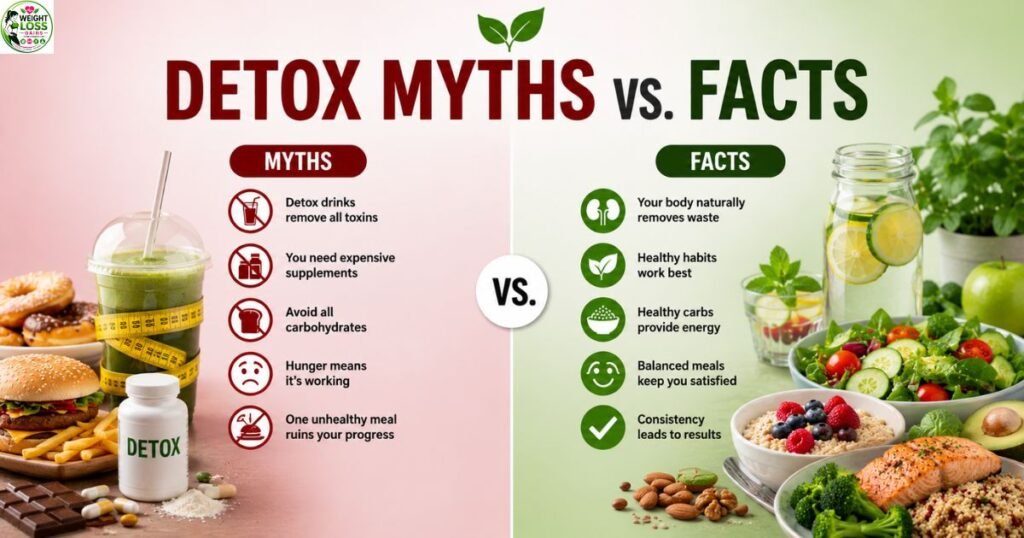
Myth: A detox drink can remove all the toxins from your body.
Fact: Your liver, kidneys, digestive system, lungs, and skin already work together to remove waste products. A healthy diet supports these natural processes, but no drink replaces them.
Myth: You need expensive supplements for a successful detox.
Fact: Most people can support a healthy lifestyle by eating nutritious foods, staying hydrated, exercising regularly, and getting enough sleep.
Myth: You should completely avoid carbohydrates.
Fact: Healthy carbohydrates such as oats, brown rice, quinoa, fruit, beans, and sweet potatoes provide fiber and energy that your body needs.
Myth: Feeling hungry all day means your detox is working.
Fact: Constant hunger usually means your meals aren’t balanced enough. A good eating plan should leave you feeling satisfied—not miserable.
Myth: One unhealthy meal ruins your progress.
Fact: Healthy eating is about what you do consistently over time. One meal doesn’t determine your success.
The Best Detox Diet for Weight Loss isn’t based on fear or restriction.
It’s based on building healthier routines that you can continue long after your detox period ends.
Benefits: Understanding the truth behind common detox myths helps you make informed decisions, avoid wasting money, and focus on habits that actually support your health.
11. Healthy Habits That Support Your Body Every Day
A healthy lifestyle isn’t created by one perfect week.
It’s built through small choices repeated every day.
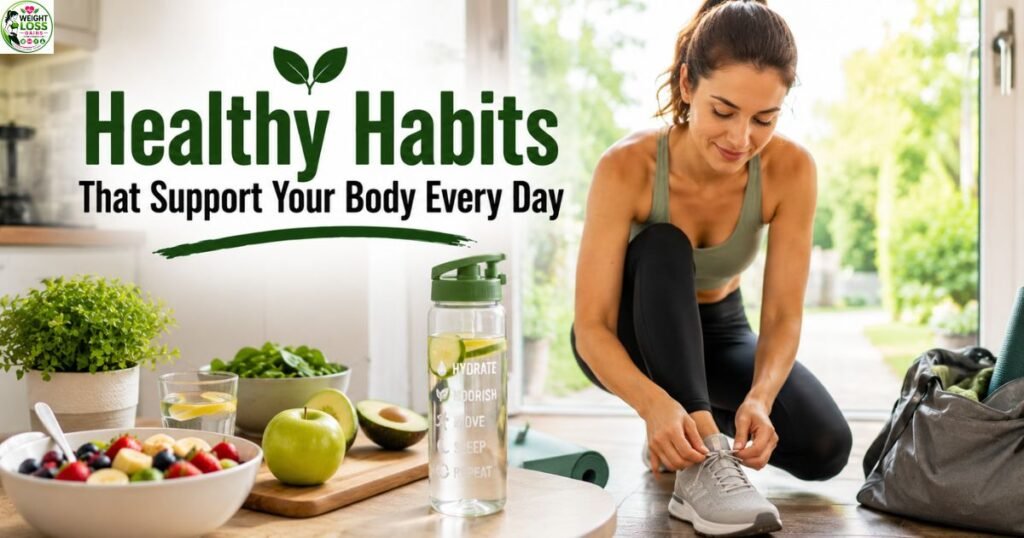
Once you’ve completed your healthy reset, continue focusing on the habits that made you feel your best.
Drink enough water throughout the day.
Fill half your plate with vegetables whenever possible.
Include a source of protein with every meal.
Choose whole grains more often than refined grains.
Snack on fruit, nuts, yogurt, or vegetables instead of highly processed foods.
Move your body regularly.
You don’t have to spend hours in the gym.
Walking, cycling, swimming, strength training, dancing, or even gardening all count as physical activity.
Sleep should also become a priority.
Most adults benefit from getting around seven to nine hours of quality sleep each night.
Finally, be patient with yourself.
Some weeks will go exactly as planned.
Others won’t.
What matters is returning to your healthy habits with your very next meal instead of waiting until next Monday or next month.
That’s the mindset behind the Best Detox Diet for Weight Loss.
It’s not about being perfect.
It’s about making healthy living feel normal.
Benefits: Daily healthy habits support long-term wellness, improve consistency, encourage better food choices, and make maintaining a healthy weight much more realistic.
Final Thoughts
The word “detox” often makes people think they need expensive products or strict cleanse programs.
Fortunately, that’s not true.
Your body already has remarkable systems that work every day to process nutrients and remove waste. The best way to support those systems is by eating a balanced diet, drinking enough water, staying active, getting enough sleep, and reducing highly processed foods.
The Best Detox Diet for Weight Loss isn’t about starving yourself or chasing unrealistic promises.
It’s about creating healthier habits that naturally fit into everyday life.
When you focus on real food instead of quick fixes, you’ll not only support your weight-loss journey but also build a lifestyle that’s easier to enjoy and maintain for years to come.
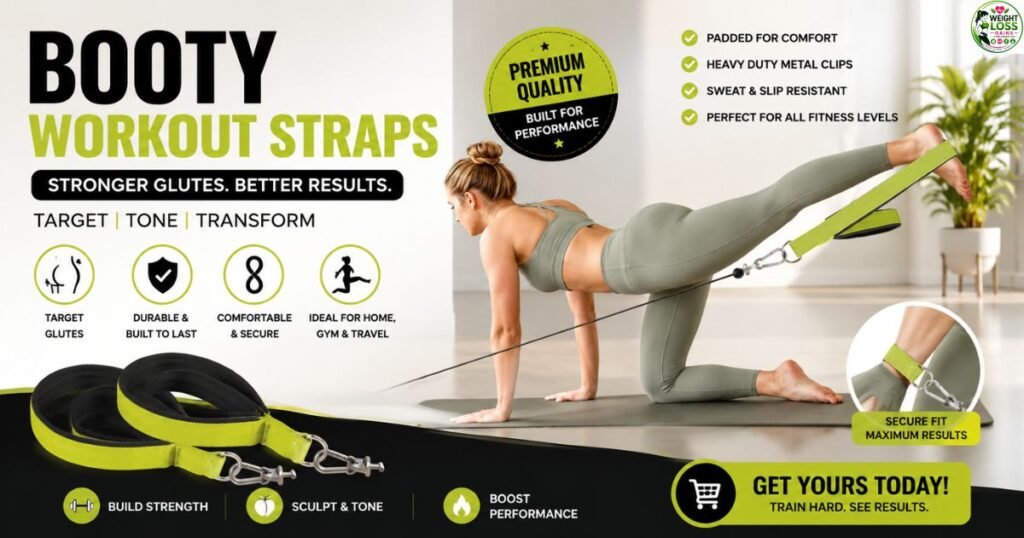
Wonderful Day Pilates Loops – Best Premium Straps for Tonal Smart Home Gym
Frequently Asked Questions
1. What is the best detox diet for weight loss?
The best approach focuses on whole foods, lean protein, fruits, vegetables, whole grains, healthy fats, and plenty of water instead of restrictive cleanses or detox products.
2. Can a detox diet help me lose belly fat?
No detox diet can specifically target belly fat. Losing body fat happens gradually through a balanced diet, regular physical activity, and maintaining a calorie deficit over time.
3. How long should I follow a healthy detox diet?
Many people use a healthy reset for a few days or one to two weeks. The goal is to transition into long-term healthy eating habits rather than repeatedly starting short-term cleanses.
4. Do I need detox supplements?
Most healthy people don’t need detox supplements. A balanced diet rich in fruits, vegetables, whole grains, lean protein, and adequate hydration provides the nutrients your body needs.
5. Can beginners follow the Best Detox Diet for Weight Loss?
Absolutely. Beginners can start by eating more whole foods, drinking enough water, limiting highly processed foods, and building consistent habits one step at a time. These simple changes are often much easier to maintain than extreme detox programs.