
You’ve been eating healthier.
You’ve started exercising.
You’ve cut back on junk food.
But every time you step on the scale, the number hasn’t changed.
Sound familiar?
I know how frustrating that can feel.
Many of us expect the weight to start dropping as soon as we make healthier choices.
When it doesn’t, it’s easy to think something is wrong.
The truth is, weight loss isn’t always as simple as eating less and moving more.
Sometimes small habits can quietly slow your progress without you even noticing.
The good news?
Most of these problems are easy to fix once you know what to look for.
In this guide, I’ll walk you through the most common reasons Why You’re Not Losing Weight and show you simple changes that can help you start seeing progress again.
Table of Contents
1. You’re Eating More Than You Realize
This is one of the biggest reasons people struggle to lose weight.
You may feel like you’re eating healthy, but healthy foods still contain calories.
For example, foods like nuts, peanut butter, avocado, olive oil, and granola are nutritious.
But eating large portions of them can quickly increase your daily calorie intake.
That’s why many people wonder Why You’re Not Losing Weight, even though they believe they’re making good choices.
The solution isn’t to stop eating healthy foods.
It’s to become more aware of portion sizes.
A few simple habits can help:
- Use smaller plates.
- Read nutrition labels.
- Measure high-calorie foods occasionally.
- Avoid eating directly from large packages.
- Slow down while eating.
You don’t need to count every calorie forever.
Sometimes simply paying more attention to portions is enough to get things moving again.
Benefits:
- Improves portion awareness
- Helps reduce unnecessary calories
- Makes healthy eating more effective
- Supports steady weight loss

2. Healthy Snacks Can Add Up Quickly
Snacking isn’t automatically bad.
In fact, healthy snacks can help control hunger.
The problem starts when we snack without paying attention.
A handful of almonds turns into three handfuls.
One spoon of peanut butter becomes several.
A few bites while cooking don’t seem like much.
But by the end of the day, those little extras can add hundreds of calories.
If you’ve been asking yourself Why You’re Not Losing Weight, this could be one of the hidden reasons.
Instead of eating mindlessly, try planning your snacks.
Good options include:
- Greek yogurt with berries
- Apple slices with a small amount of peanut butter
- Cottage cheese
- Boiled eggs
- Carrots with hummus
- Fresh fruit
- Air-popped popcorn
Planning snacks helps you enjoy them without accidentally overeating.
Benefits:
- Helps control daily calorie intake
- Reduces mindless eating
- Keeps hunger under control
- Makes healthy snacking easier

3. You’re Drinking More Calories Than You Think
Food isn’t always the problem.
Sometimes your drinks are.
Sugary coffee drinks, soda, sweet tea, energy drinks, fruit juice, and fancy smoothies can add a surprising number of calories.
Because we drink them quickly, they often don’t make us feel as full as solid food.
That’s another common answer to Why You’re Not Losing Weight.
Take a look at what you’re drinking every day.
You might be surprised.
Instead, choose drinks like:
- Water
- Sparkling water
- Unsweetened tea
- Black coffee
- Homemade detox water
You don’t have to give up your favorite drink forever.
Just enjoy it occasionally instead of every day.
Small changes like this often make a bigger difference than people expect.
Benefits:
- Reduces unnecessary calories
- Supports better hydration
- Helps improve daily energy
- Makes weight loss easier

4. You’re Not Eating Enough Protein
Protein is one of the most satisfying nutrients you can eat.
It helps keep you full longer and supports your muscles while you’re losing weight.
If your meals are mostly refined carbohydrates, you may find yourself hungry again shortly after eating.
That’s another reason Why You’re Not Losing Weight could be connected to your daily eating habits.
Try including a source of protein with every meal.
Good choices include:
- Chicken breast
- Turkey
- Fish
- Eggs
- Greek yogurt
- Cottage cheese
- Tofu
- Lentils
- Beans
You don’t have to make huge changes overnight.
Even adding one extra protein-rich food to each meal can help you stay satisfied and reduce unnecessary snacking later in the day.
Benefits:
- Helps you feel full longer
- Supports muscle maintenance
- Reduces cravings
- Makes healthy eating easier

5. You’re Not Moving Enough During the Day
Many people think one workout is enough.
But what you do for the other 23 hours matters too.
You might exercise for 30 minutes and then spend the rest of the day sitting at a desk, driving, or watching TV.
That can reduce the number of calories you burn throughout the day.
If you’ve been wondering Why You’re Not Losing Weight, your daily activity level could be part of the answer.
You don’t need to become a marathon runner.
Just look for simple ways to move more.
Try these ideas:
- Take a 10-minute walk after meals.
- Use the stairs instead of the elevator.
- Stand up and stretch every hour.
- Park farther from the entrance.
- Walk while talking on the phone.
- Play outside with your kids or pets.
These small movements may not seem like much, but they add up over time.
The more active your day becomes, the easier it is to create a healthy calorie balance.
Benefits:
- Increases daily calorie burn
- Improves energy levels
- Supports heart health
- Easy to fit into a busy schedule

6. You’re Skipping Strength Training
A lot of people think weight loss means doing endless cardio.
Walking, jogging, and cycling are all great.
But strength training deserves a place in your routine too.
Building muscle helps your body stay strong while you’re losing weight.
It also helps improve your body composition.
That’s another reason people asking Why You’re Not Losing Weight should take a closer look at their workout routine.
You don’t need a gym.
Simple home exercises work well, including:
- Bodyweight squats
- Push-ups
- Lunges
- Planks
- Glute bridges
- Resistance band exercises
Aim for 2 to 3 strength-training sessions each week.
As you become stronger, gradually increase the challenge by adding more repetitions or resistance.
Benefits:
- Helps maintain muscle while losing weight
- Improves strength
- Supports a healthier body composition
- Makes everyday activities easier

7. You’re Not Sleeping Enough
Sleep doesn’t always get the attention it deserves.
Many people focus only on food and exercise.
But poor sleep can make healthy habits much harder to maintain.
When you’re tired, you’re more likely to:
- Feel hungrier
- Crave sugary foods
- Skip workouts
- Snack late at night
- Have less energy throughout the day
If you’ve been asking yourself Why You’re Not Losing Weight, take an honest look at your sleep routine.
Most adults benefit from 7 to 9 hours of quality sleep each night.
A few simple habits can help:
- Go to bed at the same time every night.
- Keep your bedroom cool and dark.
- Avoid screens before bedtime.
- Limit caffeine later in the day.
Better sleep won’t magically make weight disappear.
But it can make healthy eating and regular exercise much easier.
Benefits:
- Improves energy
- Helps control cravings
- Supports workout recovery
- Makes healthy habits easier to maintain

8. Stress Could Be Working Against You
Life gets stressful.
Work deadlines.
Family responsibilities.
Financial worries.
Unexpected problems.
We’ve all been there.
When stress sticks around for a long time, it can affect your daily habits.
Some people lose their appetite.
Others start reaching for comfort foods without even thinking about it.
If you’ve been wondering Why You’re Not Losing Weight, stress may be playing a bigger role than you realize.
You can’t remove every stressful situation.
But you can build healthier ways to deal with it.
Here are a few ideas:
- Go for a short walk.
- Practice deep breathing.
- Listen to relaxing music.
- Stretch for a few minutes.
- Write in a journal.
- Spend time outdoors.
- Talk with a trusted friend or family member.
Managing stress isn’t about being perfect.
It’s about finding simple habits that help you feel calmer and more in control.
Benefits:
- Reduces emotional eating
- Improves overall well-being
- Supports healthier daily choices
- Helps build a balanced lifestyle

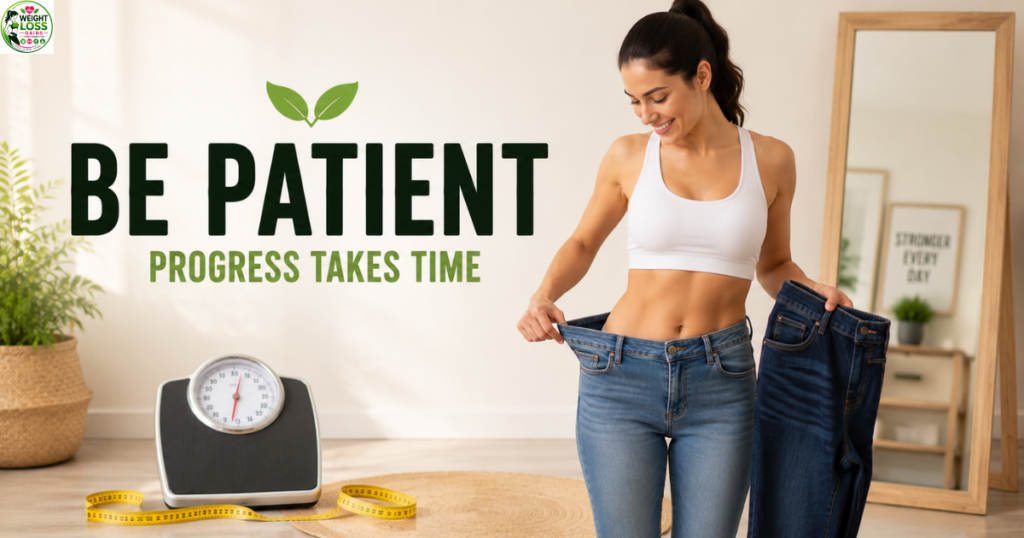
9. You’re Expecting Results Too Quickly
This may be the biggest mistake of all.
We live in a world where everyone wants instant results.
But healthy weight loss doesn’t usually happen overnight.
Some weeks you’ll lose weight.
Some weeks the scale may barely move.
Sometimes it may even go up for a short period because of changes in water, meals, or normal body fluctuations.
That doesn’t mean you’re failing.
It simply means your body doesn’t lose weight in a perfectly straight line.
Many people search Why You’re Not Losing Weight after only one or two weeks of healthy habits.
Instead of focusing only on the number on the scale, look for other signs of progress.
Ask yourself:
- Do my clothes fit better?
- Do I have more energy?
- Am I getting stronger?
- Can I walk farther than before?
- Am I making healthier choices more often?
Those improvements matter too.
Stay patient.
The people who succeed are usually the ones who keep going, even when progress feels slow.
Benefits:
- Builds patience
- Encourages realistic expectations
- Reduces frustration
- Helps you stay consistent
10. Small Changes That Actually Make a Big Difference
When people ask me Why You’re Not Losing Weight, they’re usually looking for one big secret.
The truth is, there usually isn’t one.
Weight loss is often the result of many small habits working together.
Here are a few simple changes that can make a real difference:
- Drink a glass of water before meals.
- Add vegetables to every lunch and dinner.
- Walk for 10–15 minutes after eating.
- Eat protein with every meal.
- Keep healthy snacks within reach.
- Limit sugary drinks.
- Go to bed at the same time each night.
- Plan your meals before the week starts.
None of these habits are difficult.
But when you practice them every day, they can completely change your routine.
Don’t try to do everything at once.
Pick one or two habits.
Once they become automatic, add another.
That’s how lasting progress is built.
Benefits:
- Easy for beginners
- Builds healthy routines
- Reduces overwhelm
- Supports steady weight loss

11. Stop Comparing Your Journey to Other People
This is something almost all of us do.
We scroll through social media.
We see dramatic before-and-after photos.
Then we wonder why our progress looks slower.
Here’s something to remember.
You don’t know what someone else’s journey looked like.
You don’t know how long it took.
You don’t know what challenges they faced.
If you’ve been wondering Why You’re Not Losing Weight, comparing yourself to others won’t give you the answer.
Instead, compare yourself to the person you were last month.
Ask yourself:
- Am I making healthier choices?
- Am I exercising more often?
- Do I have more energy?
- Have my eating habits improved?
- Am I becoming more consistent?
Those victories matter.
Weight loss isn’t just about numbers.
It’s also about building a healthier lifestyle that you can maintain for years.
Celebrate every step forward, no matter how small it seems.
Benefits:
- Improves motivation
- Builds confidence
- Reduces unnecessary stress
- Encourages long-term consistency

12. Know When to Ask for Professional Help
Sometimes you’re doing everything you can.
You’re eating well.
You’re exercising regularly.
You’re sleeping enough.
And you’re still not seeing progress.
If that’s happening, don’t blame yourself.
There can be many reasons why weight loss becomes more difficult.
A healthcare professional or registered dietitian can help you look at the bigger picture.
They can review your eating habits, activity level, medications, and overall health to see if something else might be affecting your progress.
If you have symptoms such as ongoing fatigue, unexplained weight changes, or other health concerns, it’s a good idea to seek medical advice rather than trying another fad diet.
Remember, asking for help isn’t giving up.
It’s simply another step toward reaching your goal.
The answer to Why You’re Not Losing Weight isn’t always about trying harder.
Sometimes it’s about getting the right guidance.
Benefits:
- Helps identify underlying issues
- Provides personalized advice
- Supports safe weight loss
- Builds confidence in your plan

Final Thoughts
If you’ve been asking yourself Why You’re Not Losing Weight, I hope one thing is clear by now.
You’re probably closer than you think.
Most people don’t need a completely new diet.
They don’t need expensive supplements.
They don’t need to spend hours in the gym.
They simply need to fix a few small habits that are slowing their progress.
Start by looking at your meals.
Pay attention to portion sizes.
Move a little more during the day.
Include strength training in your routine.
Get enough sleep.
Drink more water.
Manage stress as best you can.
Most importantly, be patient with yourself.
Healthy weight loss doesn’t happen overnight.
Some weeks will be better than others.
That’s completely normal.
Keep showing up.
Keep making healthy choices.
Those small actions may not seem exciting today, but over time they can lead to results you’ll be proud of.
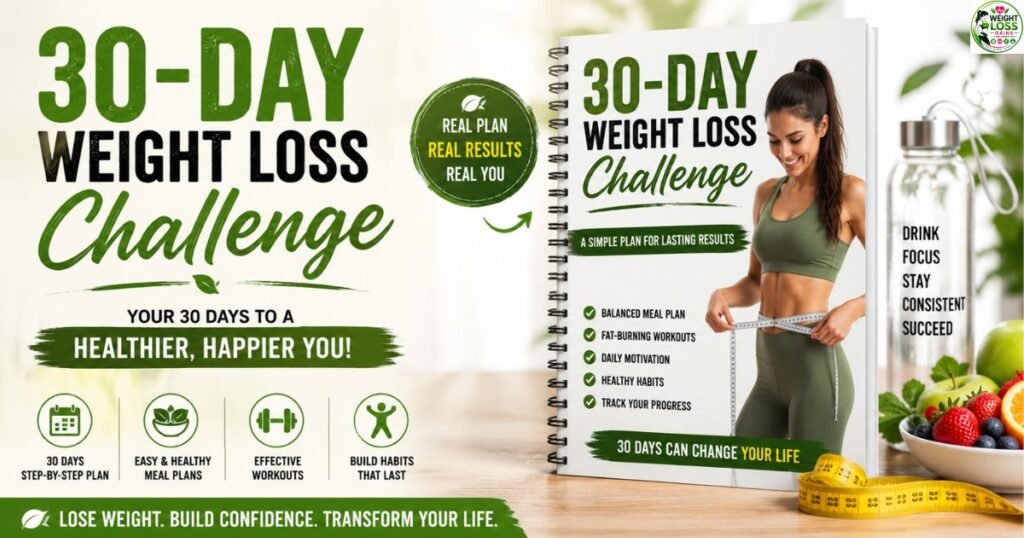
30-Day Weight Loss Challenge Your Simple Step-by-Step Plan for Lasting Results
Frequently Asked Questions
1. Why am I not losing weight even though I eat healthy?
Healthy foods can still be high in calories if portion sizes are too large. Hidden snacks, sugary drinks, and low daily activity can also slow progress.
2. Can stress stop weight loss?
Stress doesn’t automatically stop weight loss, but it can make healthy habits harder to maintain. Some people eat more when stressed, sleep less, or become less active, which can affect progress.
3. How long should I wait before expecting results?
Everyone is different. Many people notice improvements in energy and fitness before seeing big changes on the scale. Focus on consistent habits instead of expecting immediate results.
4. Should I work out every day to lose weight?
Not necessarily. Most people do well with regular exercise and planned rest days. A mix of strength training, cardio, and daily movement is often more sustainable than intense workouts every day.
5. What is the biggest mistake people make when trying to lose weight?
One of the biggest mistakes is expecting fast results and giving up too soon. Building healthy habits that you can follow consistently is usually the best approach for long-term success.
- Healthy Diet Plan for Weight Loss: Simple Eating Habits That Actually Work
- Why You’re Not Losing Weight: 12 Common Mistakes and How to Fix Them
- Best Detox Drinks for Weight Loss: A Beginner’s Guide
- Best Home Workout for Weight Loss: A Complete Beginner’s Guide
- 7-Day Healthy Diet Plan for Weight Loss: A Complete Beginner’s Guide